
Stop the Itch: Effective Flea Control for a Happy Home
Is your home suffering from a flea problem? From tiny bites to relentless itching, fleas can be a big headache for pets and people alike. Our in-depth blog post shares everything you need to know about flea prevention and removal. Trust Natural Resources Pest Control to provide effective, family-friendly solutions to keep your home healthy and happy. Learn how to get rid of fleas for good!
Pesky Fleas: Understanding, Preventing, and Eliminating These Tiny Terrors
Few things are more frustrating for a homeowner, especially one with pets, than discovering a flea problem. These tiny, relentless insects can turn your comfortable home into an itchy nightmare. But what exactly are fleas, how do they multiply so quickly, and what can you do to get rid of them for good?
What Are Fleas? Meet the Unwanted House Guest
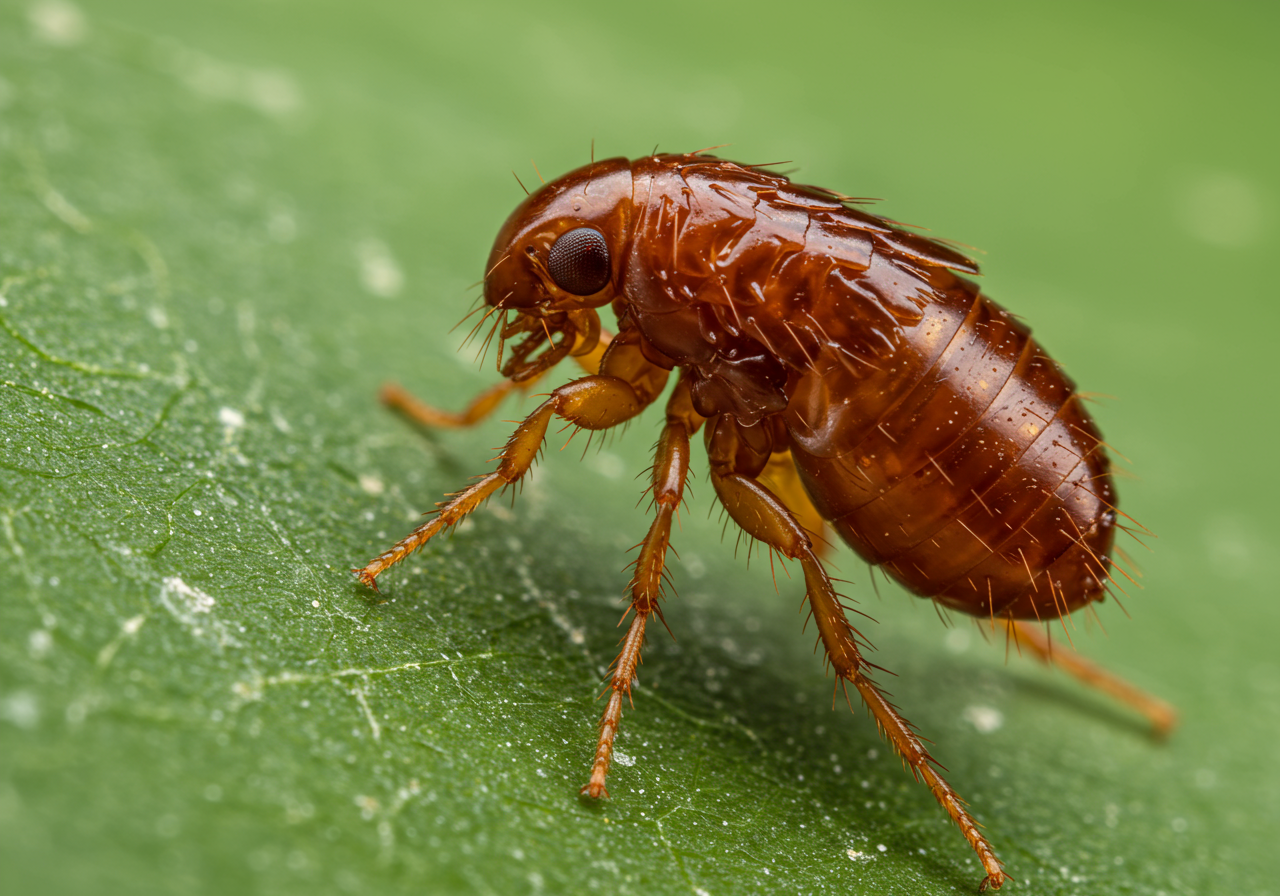
Fleas are incredibly small, dark, reddish-brown insects, usually no bigger than a sesame seed (about 1/6th of an inch). You might not even spot them, but you’ll certainly feel their presence! They are parasitic, meaning they survive by feeding on the blood of their hosts. While there are over 2,000 known flea species, the most common culprit in our homes is the cat flea. Don't let the name fool you – these fleas are happy to live on dogs, raccoons, ferrets, skunks, birds, and yes, even humans!
Fleas are built for survival. Their bodies are flat, allowing them to zip through animal fur with ease. They have six legs, with powerful back legs that let them jump astonishing distances – up to 13 inches horizontally and 7 inches vertically! That's like a person jumping over a skyscraper! This incredible jumping ability helps them quickly find new hosts.
The Flea Life Cycle: Why They're So Hard to Beat
Understanding the flea life cycle is key to understanding why they're so tough to eliminate. It has four stages: egg, larva, pupa, and adult.
- Eggs: A female flea can lay a staggering 40-50 eggs per day, totaling over 2,000 eggs in her short 50-day lifespan! These tiny, white eggs are laid on your pet but aren't sticky, so they quickly fall off and scatter throughout your home – into carpets, bedding, and cracks in the floor.
- Larvae: Within a week, the eggs hatch into tiny, worm-like larvae. These larvae don't feed on blood; instead, they eat "flea dirt" (flea waste from adult fleas) and other organic debris found deep in your carpets and furniture. They avoid light, burrowing deep into fibers.
- Pupae: After another week or two, the larvae spin a sticky, protective cocoon, becoming pupae. This is the trickiest stage. The pupae can survive for weeks or even months, waiting for the right conditions (like warmth, vibrations, or CO2 from a potential host) to emerge as adults. They are incredibly resistant to most insecticides at this stage.
- Adults: Once they emerge from their cocoons, new adult fleas need a blood meal within about a week or they'll die. Once they find a host, they can stay there for months, feeding repeatedly and starting the egg-laying cycle all over again.
This flexible life cycle can take as little as two weeks or as long as two years, depending on the conditions. This rapid reproduction and the protective pupae stage are why a small flea problem can quickly turn into a full-blown infestation.
Where Do Fleas Hide?
Fleas are masters of stealth. They thrive in warm, humid environments, which is why they are particularly abundant in places like the Southeast and West Coast of the United States. While they live on your pets, their eggs, larvae, and pupae are found throughout your home:
- Carpets and Rugs: A favorite hiding spot for eggs and larvae.
- Furniture and Upholstery: Sofas, chairs, and pet beds offer ideal protection.
- Cracks and Crevices: Dark, undisturbed areas where they can develop.
- Outdoors: Shaded, moist areas in your yard where pets spend time.
They are attracted to the heat, movement, and carbon dioxide that animals (and humans!) produce, helping them zero in on their next meal.
Why Fleas Are More Than Just an Itch
Beyond the obvious discomfort of constant itching, fleas pose several risks:
- Skin Irritation and Allergies: Flea bites are incredibly itchy. Constant scratching can lead to painful skin infections, hair loss in pets, and even a condition called flea allergy dermatitis.
- Disease Transmission: Fleas can transmit diseases and parasites. They are a common source of tapeworm in pets and, in rare cases, can transmit illnesses like cat scratch disease to humans. Historically, fleas were even responsible for spreading the bubonic plague, though this is exceptionally rare today.
- Anemia: In young or heavily infested pets, severe flea bites can lead to anemia due to significant blood loss.
Taking Control: Prevention and Professional Help
Preventing fleas starts with a multi-pronged approach:
- Regular Pet Treatment: Consult your vet about year-round flea prevention for your pets.
- Thorough Cleaning: Vacuum regularly, especially in areas where pets rest. Wash pet bedding frequently in hot water.
- Yard Maintenance: Keep your lawn trimmed, especially in shaded areas, to reduce outdoor flea habitats.
However, even with the best preventative measures, fleas can still find their way in, especially with Florida's warm and humid climate. Once an infestation takes hold, DIY solutions often fall short because they can't effectively tackle all stages of the flea life cycle, particularly the resilient pupae.
When to Call the Experts: Natural Resources Pest Control
If you're dealing with a persistent flea problem, it's time to call in the professionals. At Natural Resources Pest Control, we understand the unique challenges of flea infestations. Our expert team specializes in effective Flea Control that targets fleas at every stage of their life cycle, ensuring a thorough and lasting solution for your home and family.
We pride ourselves on a greener approach to pest control. Unlike traditional methods that rely heavily on harsh chemicals, we use eco-friendly techniques and products that are effective yet safer for your family, pets, and the environment. Our methods often incorporate essential oils, insecticidal soaps (like boric acid), and beneficial bacteria to eliminate pests without the toxic residues. We've reduced our reliance on traditional toxic chemicals by over 95% in our services, leaving your home pest-free and smelling fresh, not chemical.
Don't let fleas rule your home! If you're in Miami-Dade County (including Aventura, Bal Harbour, Coral Gables, Cutler Bay, Miami, Miami Beach, Miami Gardens, Miami Shores, and Palmetto Bay) or Broward County (including Hollywood, Weston, and Wilton Manors), Natural Resources Pest Control is here to help.
Ready for a Flea-Free Home?
Regain your peace of mind and protect your family and pets from these irritating invaders. Contact Natural Resources Pest Control today for a customized, eco-friendly flea control solution. Let us help you enjoy a comfortable, itch-free home once again!
Get Your Free Pest Control Quote in Miami, FL Today!
Tired of unwelcome pests in your Miami home? Natural Resources Pest Control provides safe, effective, and eco-friendly solutions. Fill out our quick form for a FREE, no-obligation quote, and we'll call you back to help you reclaim your space!
More Blogs
Some other blogs you might be interested in
Local Fire Ant Control: Protect Your Home & Family
Worried about fire ants? Natural Resources Pest Control offers effective, eco-friendly solutions to safely remove them from your home and yard. Protect your family locally!
Mosquito Control: Enjoy Your Yard Again!
Tired of mosquitoes? Natural Resources Pest Control offers eco-friendly solutions to protect your home and family. Reclaim your outdoor living space from pesky bites today!
Roach Control & Removal: Natural Solutions for Your Home
Don't let roaches infest your home! Discover effective, natural solutions to get rid of roaches for good. Keep your family safe with our expert pest control services.